





Precision with
a purpose.
We are advancing a new generation of targeted delivery platforms designed to cross biological barriers and deliver genetic medicines to the cells that need them most.
Our lead focus is MPS I (Hurler syndrome). Our wider ambition is to make targeted genetic medicines more accessible for people living with serious diseases.
01 Our science
Precision begins with delivery.The right medicine.
The right destination.
The potential of genetic medicine depends on where it can go. Our two complementary platforms are being developed to overcome the barriers that stand in the way.
Reaching the tissues
that need it most.
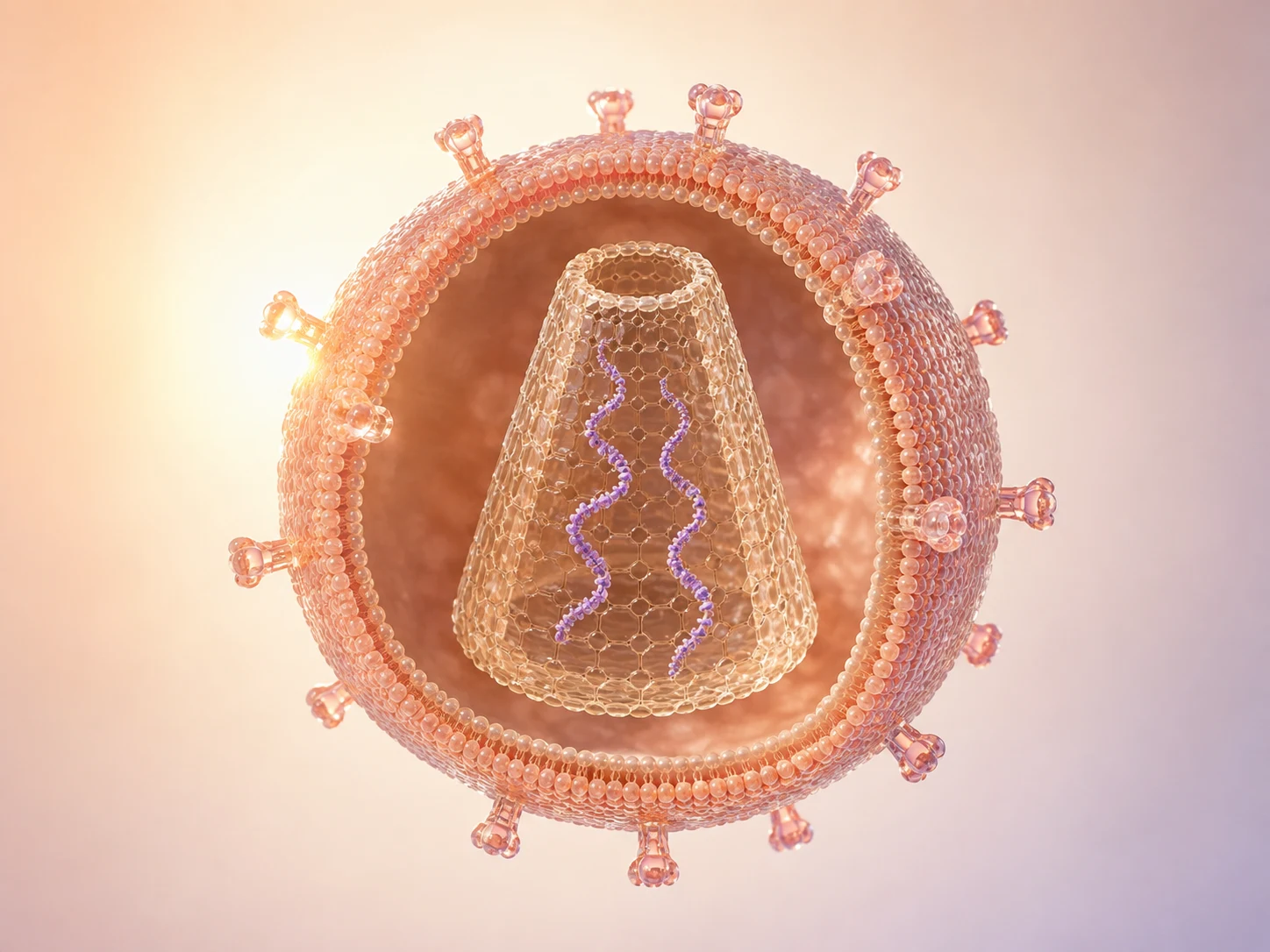
Our stealth lentiviral vector platform is being engineered for targeted, in vivo delivery of genetic medicines. It underpins DAWN-01, our lead programme for MPS I (Hurler syndrome).
- Bone
- Joints
- Cartilage
Designed to address residual disease after standard care.
Explore the science in detail42%Average Reduction in Toxic GAGs
Reduction in Toxic GAG Accumulation (preclinical)
Transforming Lives with Gene Therapy for Hurler Syndrome
Our patented sLV platform delivers breakthrough treatment for MPS-1 Hurler patients with unmet medical needs
- 42% average reduction in toxic GAG accumulation achieved in preclinical studies
- First therapy to address residual disease after bone marrow transplantation
- Patented sLV technology targeting bones, joints, and cartilage
- Accelerated FDA approval pathway for a rare disease
- Potential to improve both lifespan and quality of life for affected patients
- Preclinical proof of concept achieved in MPS-1 Hurler models, including biomarker improvement (GAG-related endpoints).
- Designed for a high unmet-need population, including residual disease after HSCT.
- 24-month plan to IND/CTA readiness, subject to funding and stage-gate outcomes.
14×Brain to Blood Ratio Efficiency
Peer-reviewed Research
Angew. Chem. Int. Ed. 2025 | doi.org/10.1002/anie.202500247Revolutionary Brain Delivery: 14x More Effective Than Current Systems
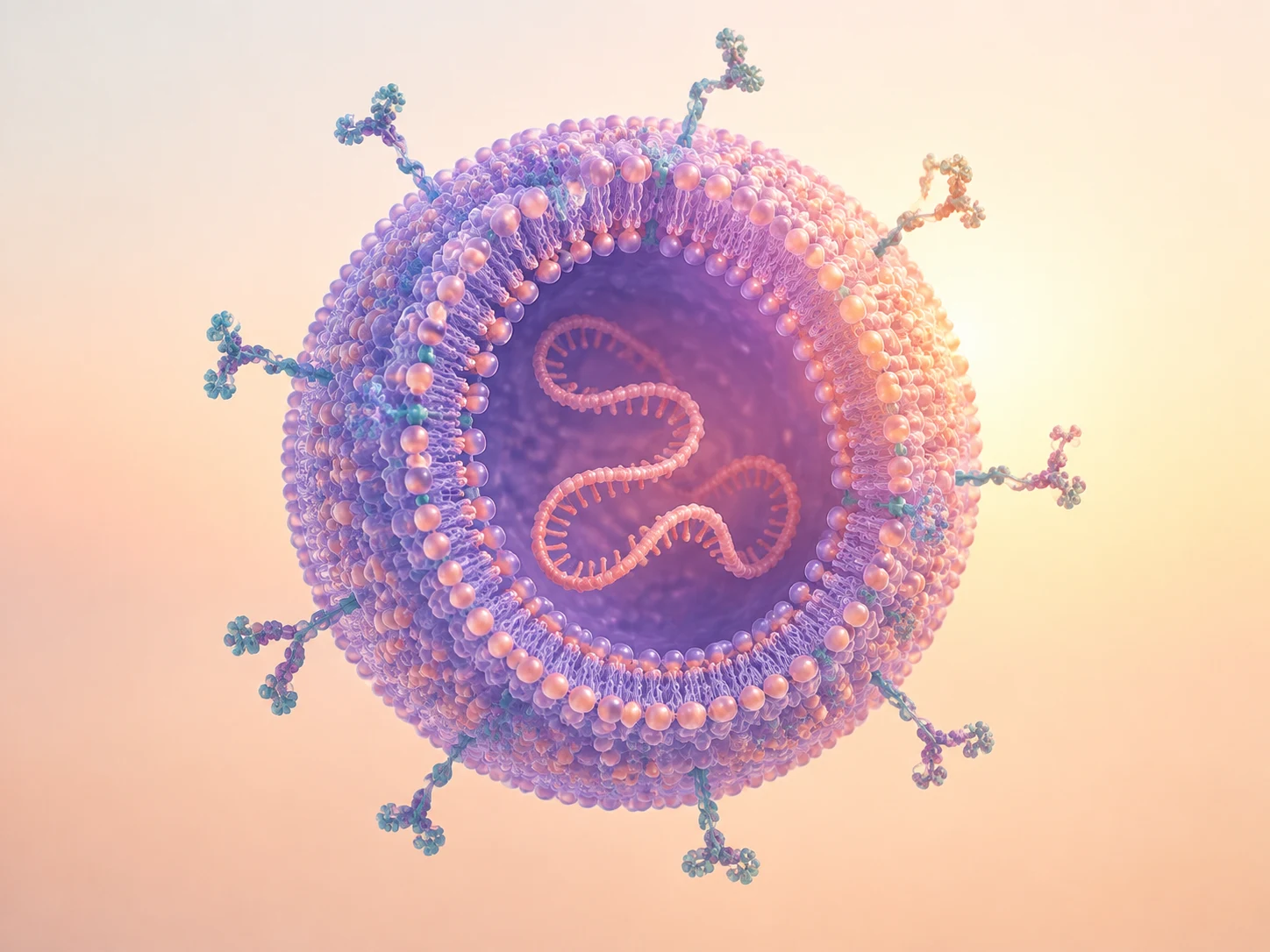
Our patented iLNP technology crosses the blood-brain barrier to treat neurological diseases
- 14-fold superior brain-to-plasma ratio compared to existing delivery systems
- Patented LNP formulation with transferrin receptor targeting
- Successfully penetrates the blood-brain barrier and reaches neurons
- Validated delivery to deep brain regions: thalamus, hippocampus, cerebellum
- Platform for treating Alzheimer's, autism, and other CNS disorders
Lead Programme
DAWN-01: MPS-1 Hurler Syndrome (MPS-1H)
Overview
DAWN-01 is an investigational, in vivo "stealth" lentiviral vector (sLV) designed to deliver a functional IDUA gene to address Hurler syndrome (MPS-I H), a severe and life-limiting lysosomal-storage disorder.
Current Status
We have successfully achieved the pre-clinical in vivo proof of concept. Our next objective is to raise funds via investment or donation to perform GMP, Toxicology, and Phase 1 Clinical Trial.
Our aim is to progress DAWN-01 to first-in-human clinical testing following successful completion of these studies and regulatory review.
Histology: Joint sections following targeted delivery
Left: Ab LPX-GFP plasmid. Middle: GFP plasmid %Ab. Right: Untreated control. Bright green signal in treated joints confirms expression of GFP within cartilage and joint structures. Scale bars 100 µm. Leica LMS, GFP and light channels.
Results: GFP expression increased seven fold in joints in vivo
Box plots of GFP fluorescence (ex 488 nm, em 507 nm) demonstrate higher reporter expression in LPX2 joints versus controls. ANOVA p = 0.023 at 95 percent significance. N = 5 per group. Min and max outliers indicated.
Conclusion:
Histology shows clear signal localised to joint cartilage in treated animals, with minimal background in controls. Box plot confirms about seven-fold higher reporter expression in joints. Effect is statistically significant (ANOVA p = 0.023, N = 5 per group). Together, these data validate effective, targeted in vivo delivery & support advancement to first-in-human studies.
Pre-clinical Proof of Concept
High-yield summary
In vivo cartilage and joint targeting was validated by histology and quantitative fluorescence readouts, supporting further development of DAWN-01.
Seven fold higher reporter expression in joints compared with controls. Current delivery systems achieve a brain-to-blood ratio of less than or equal to 0.5, so our delivery is 14 times more efficient. In simple terms, more of the medicine reaches the target tissue and less is wasted in the bloodstream, which can mean lower doses and fewer side effects.
Robust tissue localisation in H and E sections with bright signal in treated joints. This means standard microscope stains show the signal sitting inside the joint structures where it is needed, not spread randomly, which is what you want for precise treatment.
Consistent performance across animals with statistical significance at 95 percent. In practice, the results are unlikely to be due to chance and can be reproduced, which increases confidence that the effect is real.
Translatable platform for IDUA and related payloads in musculoskeletal disease. The same delivery vehicle can carry the actual therapeutic gene or other cargos to cartilage and bone, helping shorten the path from lab findings to real treatments.
Readouts align across modalities: qualitative histology and quantitative fluorescence. Both the pictures and the numbers tell the same story, which is a strong cross-check that the technology is doing what it should.
Platform is payload-agnostic and designed to support IDUA delivery for MPS-I H. That means we can swap in different genetic instructions when needed, including IDUA for Hurler syndrome, without redesigning the whole system.
These findings provide the scientific basis to progress to GMP manufacture, formal toxicology, and first-in-human evaluation.
02 Our lead programme
Focused science. Meaningful progress.One focused beginning.
A reason to look ahead.
DAWN-01 is our investigational programme for MPS I (Hurler syndrome), a rare genetic condition with significant unmet needs.
DAWN-01
MPS I · Hurler syndrome
Proof of concept
Preclinical data achieved
GMP manufacture
Next development objective
Formal toxicology
Planned studies
First-in-human
Subject to regulatory review
Further development is subject to funding, study outcomes, and regulatory review.
The programme
DAWN-01 is an investigational in vivo stealth lentiviral vector designed to deliver a functional IDUA gene, with a focus on the residual disease that can persist after standard care for Hurler syndrome.
The path forward
Preclinical proof-of-concept work supports further development. The next steps include GMP manufacture and formal toxicology before potential first-in-human evaluation. DAWN-01 is not an approved treatment.
Visit the full pipeline03 Our purpose
Behind every possibility,
there is a person.
Our ambition begins with people living with serious diseases—and the families who look towards a different tomorrow.
Meet Dawn TherapeuticsTo make transformative genetic medicines more accessible to the people who need them.
The purpose behind our research04 Build the next chapter
Extraordinary possibilities
begin with connection.
We welcome partners and investors who share our ambition to advance targeted genetic medicines.